Nail Care
What is Japanese Manicure?
The 400-year-old Japanese nail ritual behind the "clean girl" manicure is having a moment. Here is what it actually is, why it works, and how to do it at home.
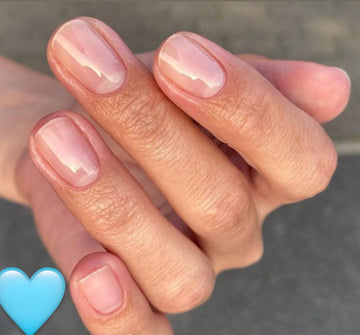
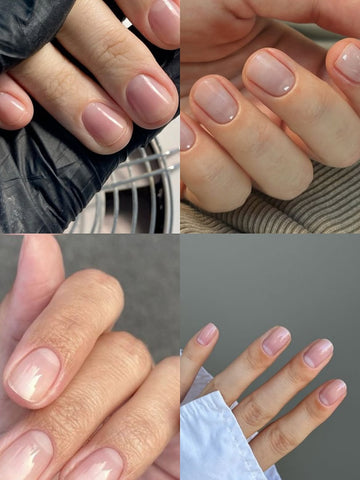
There is a specific kind of nail that keeps showing up on red carpets and in front rows right now, and it is not an elaborate one. No chrome. No extensions. No art. Just short, healthy, faintly glossy nails that look like the person has very good genetics and a very good night's sleep.
It is the look driving the "clean girl" aesthetic that Hailey Bieber, Selena Gomez, Zendaya and Kendall Jenner have all made their signature: bare-looking nails, immaculately kept, with a soft natural shine instead of a coat of colour. And while most of us assumed that finish came from a sheer polish or a good topcoat, there is an older, quieter method that produces it without either.
It is called the Japanese manicure. It has been practised for roughly 400 years. And it is quietly becoming the most requested nail treatment of the year.
So what is a Japanese manicure?
A Japanese manicure is a nail treatment with an unusual goal: it does not decorate the nail, it feeds it.
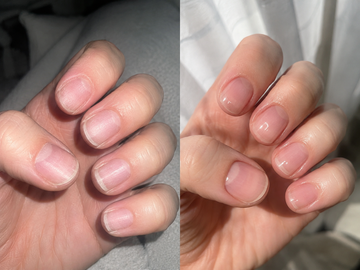
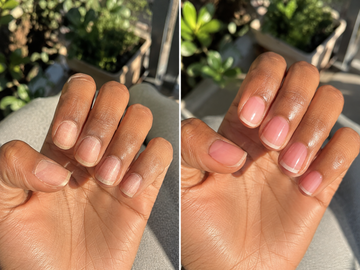
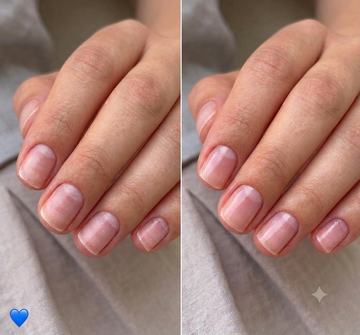
Rather than painting a layer of colour on top of the nail plate, the technique works nutrients into the nail itself. A keratin-rich paste is massaged into the surface, then sealed with a mineral powder and buffed until the nail produces a mirror-like gloss. The shine you end up with is not a coating. It is your own nail, polished to a natural luster.
The distinction matters more than it sounds. Because nothing is sitting on top of the nail, there is nothing to chip, nothing to peel, and nothing to remove with acetone later. The finish grows out with your nail instead of cracking off in a week.

The 400-year-old part
The method traces back to traditional Japanese nail care, where the emphasis was always on the condition of the nail rather than its colour. Beeswax, keratin proteins, vitamins and finely milled minerals were worked into the nail plate to strengthen it. Buffing with a soft leather or suede block created the shine.
In Japan it stayed a standard part of nail care for centuries. In the West, it was largely unheard of until nail professionals started using it as a recovery treatment for clients whose nails had been wrecked by years of gel and acrylic.
That is really how the current wave started. Not as a beauty trend, but as damage control.
Why it is having a moment now
Two things happened at once.
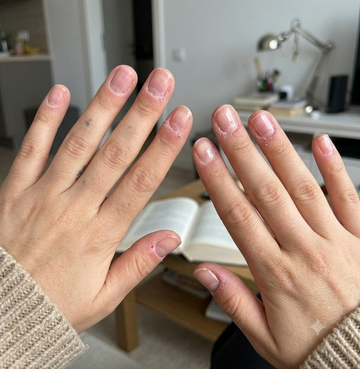
The first is the gel hangover. After years of back-to-back gel and acrylic sets, a lot of people arrived at the same place: thin, bendy, peeling nails that could not be left bare in public. The obvious fix, taking a break, was unappealing precisely because bare damaged nails look bad. The Japanese manicure solved that trap, because it treats the damage and improves the appearance at the same time.
The second is the aesthetic shift. The maximalist nail era gave way to something much quieter. Celebrity manicurists started describing the natural nail reset as the smart move for clients between big looks, and press coverage followed. British Vogue ran an explainer. HuffPost UK called it one of the best low-effort trends of the year. Celebrity manicurist Sophia Stylianou has pointed to it as ideal for anyone with weak, peeling or brittle nails, or anyone coming off gels.
To be clear about what that means: the stars above have made the bare, glossy, healthy-nail look aspirational. The Japanese manicure is the traditional technique that produces that finish. The trend created the demand, and this method turned out to be the honest way to get there.

Japanese manicure versus gel versus polish
Worth being blunt about the trade-offs, because each of these does something different.
Gel gives you two to three weeks of hard, glossy colour. It also requires UV curing, and removal involves soaking in acetone and scraping, which is where most of the thinning and peeling comes from. It looks excellent and costs your nail something.
Regular polish is gentler and cheaper, but realistically gives you three to five days before chipping, and many formulas still carry ingredients people would rather avoid.
The Japanese manicure gives you two to three weeks of natural shine, no UV, no acetone, and nails that are measurably stronger at the end than they were at the start. What it does not give you is colour. If you want a bold red, this is not that. If you want your own nails to look expensive, it is exactly that.
How to do it at home
This is the part that surprises people. The Japanese manicure was a salon treatment for a long time, but the technique is genuinely simple, and the whole thing takes about ten minutes.
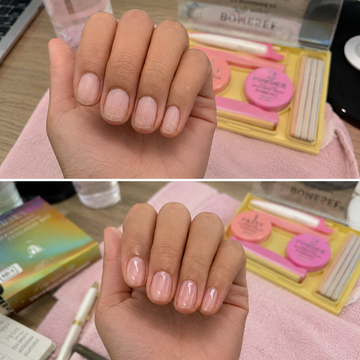
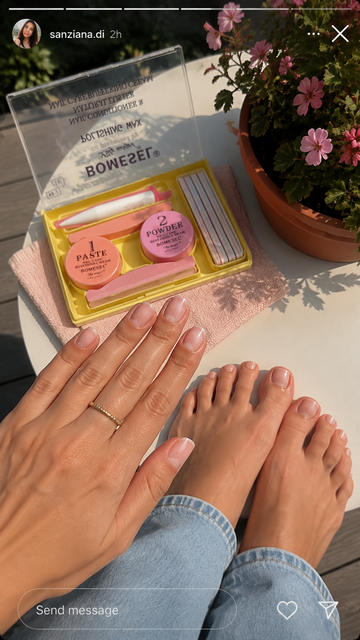
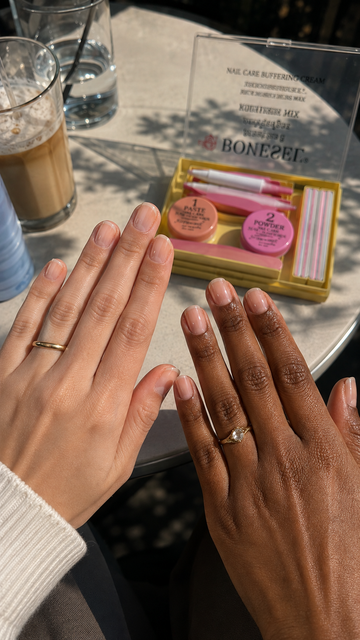
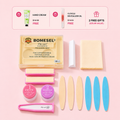
The BOMESEL Japanese Manicure Kit contains the same components used in the traditional method: Polishing Wax No.1 (the keratin and beeswax paste), Polishing Wax No.2 (the mineral finishing powder), buffing blocks, a glass file and rubbing strips.
The process runs in three steps.
One: prep. Shape your nails with the glass file, then gently smooth the surface with the buffer block. You are not filing the nail down, just evening out ridges so the paste can absorb.
Two: nourish. Take a small amount of Polishing Wax No.1 and massage it into each nail. This is where the keratin, beeswax and vitamins go in. Do not rush this part, it is the treatment.
Three: seal and shine. Apply Polishing Wax No.2 and buff with the fine block until the nail comes up glossy. The shine appears as you work, which is oddly satisfying, and it is the point at which most people understand why this technique survived 400 years.
That is it. No lamp, no drying time, no removal appointment.

What to expect, realistically
Immediately: a glassy shine and a noticeably smoother nail surface.
After two to four weeks: less peeling and splitting, and nails that feel less bendy.
After two to three months of regular use: thicker, healthier nails and conditioned cuticles.
The shine itself lasts two to three weeks with normal wear, and renews with another ten-minute session. Most people settle into doing it every couple of weeks, usually on a Sunday, which is how it ends up being described as a ritual rather than a treatment.
Who it is really for
If you are recovering from gel or acrylics, this is the most direct route back to healthy nails that does not require hiding your hands for three months.
If you work with your hands, or wash them constantly, and polish never survives, this is a look that holds up because there is nothing on the surface to damage.
If you simply prefer the "my nails but better" finish, this is the cleanest way to get it.
And if you are avoiding acetone, UV exposure and the chemicals in conventional polish, this is a method with none of them.

The bottom line
The most interesting thing about the Japanese manicure is that it is not really a trend. It is a 400-year-old maintenance practice that happens to produce the exact finish the current moment is chasing.
The celebrities did not invent the bare-nail look. They just made everyone want it. This is the technique that gets you there without the damage.
Shop the BOMESEL Japanese Manicure Kit and try the ritual for yourself, backed by our 30-day money-back guarantee.
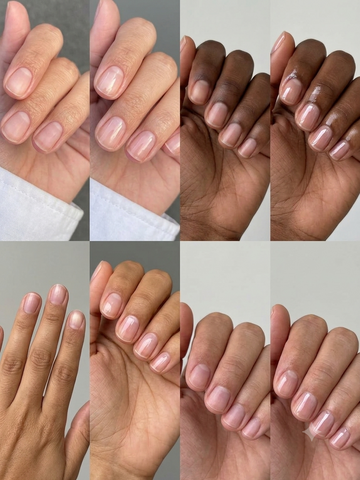
Real Customers
Seen on 100,000+ hands